
The speed of technology is crazy fast. Not long ago, “artificial intelligence” was a cool word. Now, it seems to come up in every conversation.
Companies that want to do well need to rethink how they protect, manage, and update their IT systems.
At Cybershield IT, we help businesses make IT plans that will last for a long time. These plans not only keep their systems functioning safely, but they also get them ready for long-term growth in business technology. Let’s look at what it truly means to “future-proof” your infrastructure and how to get your business ready for the problems of the future.
What It Really Means to Future-Proof Your IT Infrastructure
Future-proofing your IT isn’t about buying the newest technology or reacting to the latest trend. It’s about designing a secure IT infrastructure that:
- Supports long-term scalability
- Withstands emerging cyber threats
- Adapts to changes quickly
- Minimizes downtime and operational costs
- Enables innovation instead of blocking it
A future-proof IT strategy integrates flexible systems, proactive cybersecurity measures, and modernization efforts that align with your business direction. It turns IT from a cost center into a strategic enabler.
Why Modern Businesses Need a Long-Term Technology Strategy
Modern companies operate in a hyper-connected world where disruptions happen daily. A single system failure, ransomware attack, or outage event can hurt productivity, impact customer trust, and decrease profits.
A long-term technology strategy ensures:
1) Predictable Costs and Budget Stability
Instead of reacting to emergencies, businesses can plan investments in IT modernization for businesses with clarity and intent.
2) Stronger Cybersecurity Posture
With the cyber threat landscape growing more advanced every year, businesses need consistent monitoring, predictive tools, and measurable cybersecurity metrics to make informed decisions.
3) Business Continuity and Zero Downtime
Strategic planning helps build resilient architectures capable of recovering quickly, no matter the disruption.
The Role of Cybersecurity in Building a Future-Ready IT Environment
Given that cybercriminals are always inventing new methods to compromise systems, cybersecurity is essential for any IT infrastructure that aspires to be future-proof. Old tools and reactive techniques won’t cut it anymore as threats are increasingly automated and tailored to specific targets.
Your IT modernization efforts must include:
1) Real-time threat monitoring
With new attack techniques emerging daily, monitoring must go beyond alerts. It must be proactive, predictive, and supported by AI-driven tools.
2) Strong identity and access management
As businesses migrate to cloud-based environments, managing user privileges securely is critical to reducing risk.
3) A security-first culture
Cybersecurity vs. Information Security needs to be clearly understood internally. While cybersecurity protects digital environments, information security ensures all data (digital or physical) remains protected. A future-proof strategy must combine both.
Cloud Adoption: A Key Step Toward Future-Proof IT
Cloud transformation is one of the most powerful ways to build a secure, agile, and scalable business environment.
Key benefits include:
- Scalability: Expand computing power or storage instantly.
- Security: Cloud platforms offer built-in, continuously updated security tools.
- Cost efficiency: Pay only for what you use.
- Business continuity: Integrated backup and recovery systems reduce downtime.
Whether adopting hybrid, private, or public cloud models, cloud integration remains a foundational part of future-proof infrastructure.
Using Automation and AI to Stay Ahead of Operational Challenges
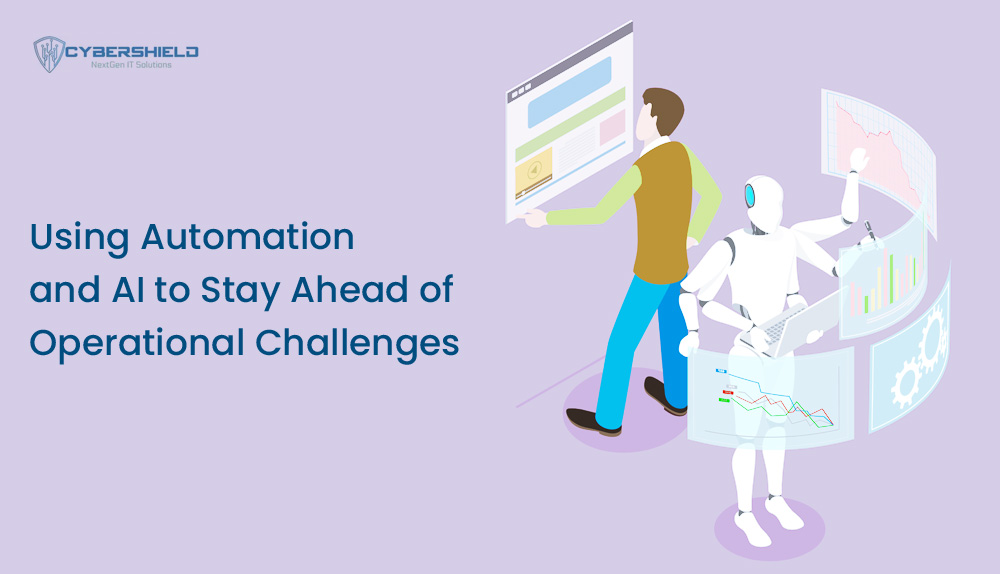
Automation and AI are essential tools for future-proofing because they reduce human error, streamline operations, and accelerate innovation.
They help businesses:
- Detect anomalies faster
- Optimize resource allocation
- Reduce manual errors and bottlenecks
- Improve service delivery
- Predict threats using machine learning
AI-powered IT innovation solutions help companies keep ahead of problems, lower the number of mistakes made by people, and make all departments more efficient.
How Zero Trust Security Prepares Your Business for the Future
For modern cybersecurity, adopting a Zero Trust approach is the most effective course of action. The underlying principle of this security strategy is “Never trust, always verify.” It considers each user, device, or connection as a potential threat.
Zero Trust improves your security posture by:
- Validating every user and device
- Eliminating lateral movement inside your network
- Reducing insider threat risks
- Securing cloud environments, remote work setups, and mobile access
Zero Trust makes your security architecture flexible, adaptive, and capable of handling future threats, no matter how sophisticated.
What Is the Importance of Data Protection and Backup?
Your data is your most valuable asset. Without a strong backup and disaster recovery strategy, business operations can come to a standstill.
A strong data protection framework ensures:
- Redundancy: Copies of your critical data across systems
- Integrity: No corruption or loss
- Recoverability: Quick restoration during downtime or cyberattacks
A secure IT infrastructure must treat data backup as non-negotiable, not an afterthought.
How Managed IT Services Support Long-Term Innovation
Managed IT Services, like those provided by Cybershield IT, are very important for future-proofing, especially for businesses that have neither the staff nor the knowledge to do it themselves.
- 24/7 monitoring
- Strategic business technology growth planning and IT roadmap guidance
- Proactive threat detection and remediation
- Upgrades and modernization support
- Compliance assistance
- Cost predictability
With experts managing your environment, your internal teams can focus on innovation, growth, and mission-critical objectives.
Key Indicators That Your IT Is Not Ready for Future Demands
Your IT environment might need modernization if you notice:
- Frequent downtime or slow systems
- Over-reliance on legacy hardware
- Security vulnerabilities or compliance gaps
- Inconsistent performance across locations
- High manual workload
- Increasing cyberattacks or phishing incidents
- Difficulty scaling infrastructure
If these issues appear, it’s time for a future-proof IT strategy before they impact your business growth.
Businesses require safe, contemporary, and adaptable systems that can adapt to changing cyber risks, increasing customer demands, and the necessity of digital transformation for survival in today’s market.
Collaborating with a reliable partner such as Cybershield IT equips your firm with the expertise, insight, and future-proofing strategies necessary to tackle today’s cyber threat landscape and prevent potential problems.