
Managed IT Shield Providers come in at that point.
Cybershield IT is more than just an outsourced IT help desk; it’s a strategic technology partner that helps businesses stay safe, be strong, and flourish. AI-driven monitoring, cybersecurity-first architecture, and continuous optimization are all parts of modern managed IT services in 2026 that keep risks from interfering with organizations.
Why Businesses Need Managed IT Services in 2026
Technology drives company activities in 2026. Every fundamental function needs dependable, secure, and scalable IT infrastructure, from cloud platforms and AI-powered tools to remote collaboration and consumer data ecosystems. In 2026, businesses cannot afford to exist without managed IT services:
1) Cyber Threats Are More Advanced Than Ever
Cybercriminals are now leveraging automation and AI to launch faster, more sophisticated attacks. Phishing campaigns are highly personalized, ransomware spreads within minutes, and zero-day vulnerabilities are exploited before internal teams can respond. Businesses need continuous monitoring, AI-driven threat detection, and proactive patch management, not reactive fixes.
2) IT Complexity Has Increased Dramatically
Most companies use on-premise infrastructure, numerous cloud platforms, SaaS apps, mobile devices, and remote endpoints in hybrid environments. Managing this ecosystem inside demands technological diversity and constant supervision. IT services for organizations 2026 centralize monitoring, maintenance, and optimization to reduce complexity.
3) Downtime Is No Longer Acceptable
Even a little downtime hurts productivity, sales, and customer trust in a digital-first economy. Outages from server failures, hacking, or misconfigurations can cost thousands per hour. Predictive maintenance, real-time alerts, automated upgrades, and infrastructure redundancy keep systems running smoothly with managed IT services.
4) Internal IT Teams Are Overworked
Many firms have small in-house IT teams that struggle with everyday support tickets, hardware troubleshooting, and emergencies. Time for innovation, security updates, and strategic planning is limited. Managed IT services let internal staff focus on growth rather than firefighting.
5) Regulatory and Compliance Demands Are Stricter
Data privacy laws and industry-specific compliance requirements develop. Failure to comply can result in penalties, lawsuits, and reputational harm. Modern IT solutions for businesses include compliance monitoring, documentation assistance, vulnerability assessments, and secure data management to ensure audit readiness year-round.
6) Remote and Hybrid Work Is the New Standard
Businesses must safeguard endpoints, cloud access, and communication platforms across many locations as scattered staff become permanent. Remote ecosystems are vulnerable without central oversight. Managed IT services provide secure VPNs, Zero Trust, endpoint protection, and device- and user-wide policy enforcement.
Also Read How AI Improves Threat Detection and Incident Response
Problems with Traditional IT Support
1) Reactive Instead of Proactive
Traditional IT support handles incidents thereafter. IT only intervenes when a server crashes, an employee can’t access email, or malware infects a device.
Modern managed IT services 2026 use proactive monitoring, predictive analytics, and automatic patching to avert difficulties. Modern cyberthreats are too fast for reactive models.
2) Limited Systemwide Visibility
Businesses today use on-premise servers, cloud platforms, SaaS apps, mobile devices, and remote endpoints. Real-time monitoring solutions are rare in traditional IT teams.
Business IT solutions today need integrated dashboards, AI-powered alerts, and continuous oversight across the digital ecosystem, not fragmented troubleshooting.
3) Slow Response Times
Break-fix IT models use ticket queues and human methods. Employees file issues, wait for a response, and lose productivity.
However, IT support services 2026 promote rapid response with automated diagnostics, remote remedial tools, and 24/7 monitoring. Speed is becoming a competitive advantage.
4) Unbuilt Cybersecurity Strategy
Cybersecurity is often an add-on in traditional IT support. There is no continuous threat intelligence or behavioral monitoring with firewalls and antivirus software.
This leaves businesses exposed to:
- Ransomware attacks
- Phishing campaigns
- Insider threats
- Zero-day vulnerabilities
Businesses react rather than prevent intrusions without proactive security procedures. Modern managed IT companies install cybersecurity across the infrastructure.
5) Lack of Strategic IT Planning
Traditional IT support prioritizes maintenance over strategy. Long-term roadmaps for infrastructure enhancements, scalability planning, and risk avoidance are rare.
IT must support corporate goals by 2026. Organizations need technical fixes, IT strategy, financial predictions, and risk assessments.
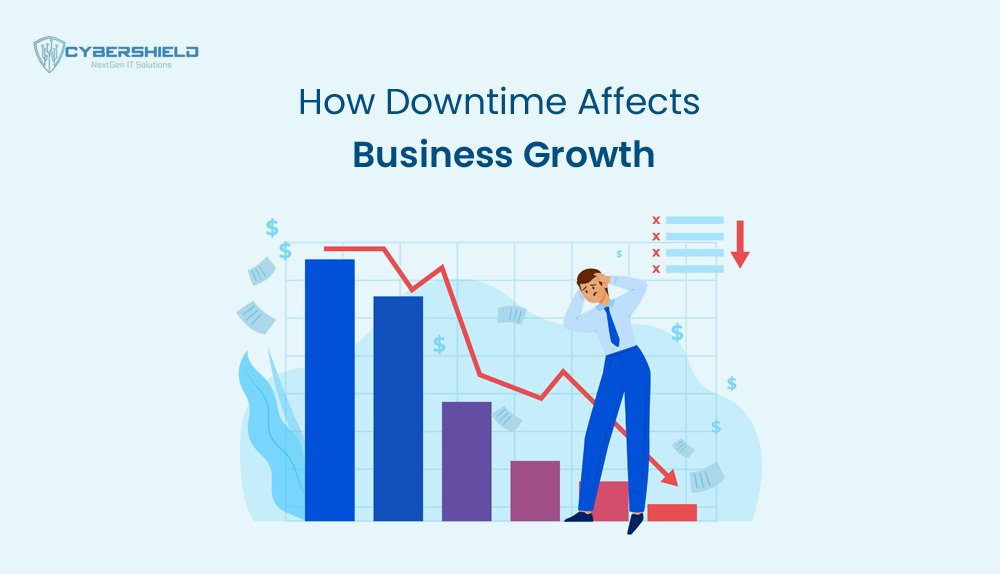
How Downtime Affects Business Growth
1) Immediate Revenue Loss
When systems fail, sales stop. An e-commerce platform, internal billing system, or client portal failure delays transactions and services. Many businesses lose money with simply an hour of downtime.
2) Reduced Employee Productivity
Workflows stop if employees can’t access critical apps, cloud services, or communication tools. Delays quickly erode project timeframes and operational efficiency.
3) Damaged Customer Trust
Consumers expect flawless digital experiences. Multiple outages or delayed systems cause frustration and confusion. Clients may switch to competitors with better infrastructure over time.
4) Increased Recovery Costs
Unplanned downtime often requires emergency IT intervention, expedited repairs, or data restoration efforts. These reactive expenses are typically higher than the cost of proactive monitoring and maintenance.
5) Long-Term Growth Setbacks
Recurring disruptions hamper innovation. Instead of expanding new projects or improving customer experience, leadership must fix catastrophic IT errors.
Avoiding downtime is crucial for income, customer satisfaction, and corporate success in today’s climate. System stability, security, and continuity depend on proactive managed IT services.
Cybersecurity Is a Must in 2026
In 2026, cybersecurity is no longer optional or limited to large enterprises — it is a fundamental requirement for every organization operating in a digital environment. Cyber threats have become more advanced, automated, and targeted, with attackers leveraging AI-driven tools to exploit vulnerabilities faster than ever before. From ransomware and phishing campaigns to insider threats and zero-day exploits, businesses face constant risk across their networks, cloud platforms, and endpoints. A single breach can lead to financial loss, operational disruption, regulatory penalties, and long-term reputational damage.
Modern managed IT services 2026 integrate cybersecurity into every layer of infrastructure rather than treating it as a secondary add-on. This includes continuous network monitoring, endpoint detection and response (EDR), multi-factor authentication (MFA), firewall management, vulnerability assessments, and employee security awareness training. Proactive protection ensures threats are identified and contained before they escalate into major incidents. As regulatory requirements tighten and cyberattacks grow more sophisticated, investing in comprehensive cybersecurity is not just about protection; it is about ensuring business continuity, maintaining customer trust, and safeguarding future growth.
Managed IT Shield Providers decrease downtime, secure data, and future-proof IT operations with AI-driven security. Modern IT solutions for organizations will help them survive and grow in 2026 and beyond.
Cybershield IT keeps your technology secure, scalable, and strategically aligned with business growth as you expand your infrastructure and operations.