Organizations need more than just basic IT support. They need next-gen managed IT services that combine automation, AI, and intelligence-driven insights to ensure resilience and agility.
Traditional IT services that focus on routine maintenance and reactive issue resolution do not cut it anymore. A next-gen managed IT services provider (MSP) like Cybershield IT delivers proactive, data-driven, and cloud-first IT management designed for the digital enterprise.
These modern MSPs combine AI-driven IT management, advanced cybersecurity, predictive analytics, and strategic consulting to empower businesses to operate more securely.
What Defines a Next-Gen Managed IT Services Provider
Traditional IT support has evolved into a next-generation managed IT services company. These cutting-edge suppliers create intelligent, flexible, and automated IT ecosystems that anticipate business demands rather than merely maintaining systems and fixing problems.
- Proactive and Predictive Management: AI and analytics are used by next-generation MSPs to identify any disruptions before they happen. They take action before, rather than following, a downtime incident.
- Cloud-First and Hybrid Approach: They are experts in supervising hybrid environments, guaranteeing smooth integration between cloud platforms and on-premises systems.
- Advanced Cyber Defense: With real-time threat intelligence, behavioral analytics, and zero-trust architecture, they ensure businesses stay protected against ransomware attacks and data breaches.
- Strategic Partnership: Unlike traditional IT vendors, next-gen MSPs act as strategic partners who help align technology with business goals, ensuring long-term digital transformation.
AI and Automation: The Future of IT Management
Artificial Intelligence (AI) and automation are the heartbeat of modern managed IT solutions. These technologies are transforming IT operations from reactive to predictive, ensuring businesses experience fewer disruptions and higher productivity.
1) Predictive Monitoring and Self-Healing Systems
AI-powered IT management systems constantly track user activity and infrastructure performance. The system may automatically take remedial action when anomalies arise, such as abnormal data flow or abrupt CPU spikes. Without the need for human intervention, this “self-healing” capability reduces downtime and guarantees business continuity.
2) Intelligent Decision-Making
AI algorithms analyze historical and real-time data to predict potential hardware failures, capacity needs, or security threats. IT administrators can then make informed decisions that optimize resources and prevent costly outages.
3) Automation in Routine Tasks
From patch management to backup verification, automation eliminates manual errors and frees up valuable time. Tasks that once took hours can now be completed in seconds, improving operational efficiency and reducing costs.
4) Smarter Incident Management
Next-gen providers employ AI-driven IT management tools that prioritize incidents based on severity and business impact. By automating triage and escalation, MSPs accelerate resolution times and enhance user satisfaction.
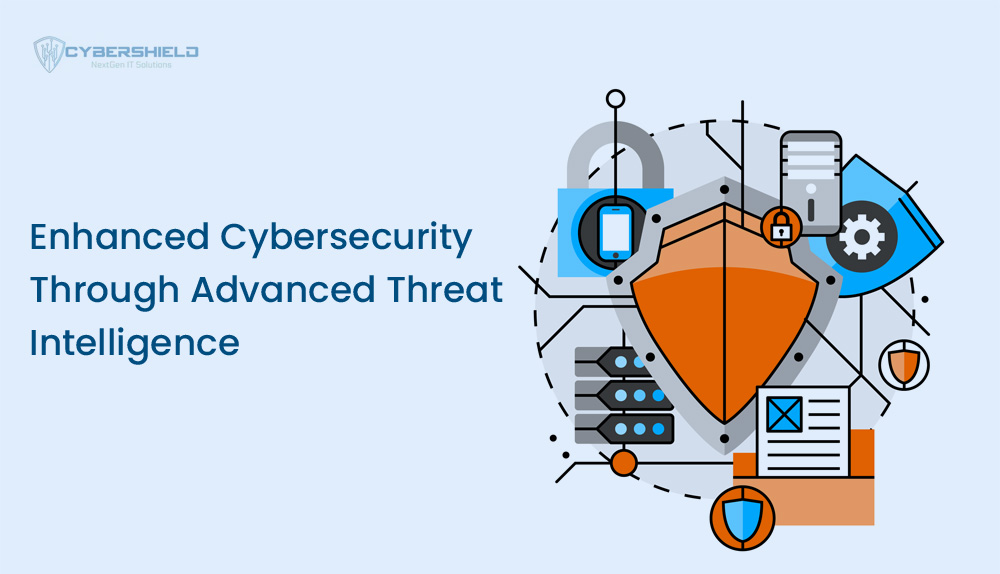
Enhanced Cybersecurity Through Advanced Threat Intelligence
Cybersecurity is the backbone of modern IT operations. With cyberattacks growing more targeted and complex, businesses can no longer rely on traditional firewalls and antivirus software alone. Next-gen managed IT services providers adopt a multi-layered defense strategy powered by advanced threat intelligence.
1) Real-Time Threat Detection
By integrating AI, behavioral analytics, and machine learning, these providers detect threats in real time, even before they exploit vulnerabilities. For instance, unusual login patterns or data exfiltration attempts trigger automatic isolation protocols to contain potential breaches.
2) Threat Hunting and Zero-Trust Frameworks
Next-gen MSPs proactively conduct threat hunting across endpoints and networks. Combined with Zero-Trust security architecture, every user and device must continuously verify their identity, reducing the risk of lateral attacks.
3) Defense Against Ransomware Attacks
Ransomware remains one of the most devastating threats to enterprises, especially in finance and healthcare. Advanced MSPs implement continuous backups, endpoint detection and response (EDR), and AI-based anomaly detection to block ransomware before it encrypts data.
4) Cybersecurity vs. Information Security: A Unified Approach
While cybersecurity focuses on protecting networks, systems, and digital data from external threats, information security ensures data integrity, confidentiality, and availability across all storage formats.
Cloud-First Strategy for Modern Businesses
In the digital age, cloud technology is essential for scalability and agility and is no longer optional. Cloud-first by nature, next-generation managed IT service providers plan and oversee infrastructure around cloud ecosystems from the first.
1) Cloud Migration and Integration
From evaluating preparedness and moving workloads to maximizing performance in multi-cloud or hybrid settings, modern MSPs manage the whole lifecycle. They guarantee smooth compatibility between platforms like AWS, Azure, and Google Cloud with little downtime during migration.
2) Cost Optimization
Through AI-powered monitoring, next-gen MSPs analyze resource utilization and recommend cost-saving measures such as right-sizing instances, removing idle resources, or shifting to more economical storage tiers.
3) Security and Compliance in the Cloud
A next-gen MSP ensures compliance with regulations like GDPR, HIPAA, and SOC 2. They implement encryption, identity management, and continuous auditing to protect sensitive data and maintain trust.
4) Supporting Innovation and Agility
Businesses may experiment with new technologies, such as machine learning models, IoT devices, or data analytics pipelines, and achieve quicker deployment cycles and flexible scalability by using a cloud-first strategy.
Predictive Maintenance and Data-Driven Insights
Guesswork has no place in the realm of next-generation managed IT services. Data intelligence, which transforms real-time insights into proactive actions that stop disruptions before they happen, is the lifeblood of the modern IT ecosystem.
This is the point at which data-driven insights and predictive maintenance completely change how businesses handle their IT infrastructure.
Traditional IT models typically follow a “fix-it-when-it-breaks” pattern. But next-gen providers replace that with predictive precision. Through continuous monitoring, AI algorithms identify subtle warning signs long before they become full-blown outages.
This proactive stance means fewer surprises, less downtime, and smoother operations. Instead of waiting for problems, IT teams are alerted ahead of time, allowing for scheduled interventions that keep systems performing at their best.
Next-gen MSPs harness data analytics dashboards that transform raw metrics into actionable insights. Every element is analyzed in real time.
These insights empower businesses to:
- Optimize system performance using trend data.
- Plan budgets intelligently based on actual usage and resource forecasting.
- Enhance uptime through predictive alerts and maintenance scheduling.
By turning data into visibility, organizations make smarter IT investments and improve decision-making across all departments.
Unified Communication and Collaboration Support
Businesses now depend on connected teams, instant collaboration, and secure information sharing. That’s why next-gen managed IT services providers focus heavily on unified communication and collaboration (UC&C) systems that bridge gaps between people, platforms, and performance.
No more switching between apps or juggling separate tools. Next-gen MSPs integrate all your communication platforms into one cohesive ecosystem.
Whether your team is using Microsoft Teams, Slack, Zoom, or a custom enterprise suite, these systems are designed to work together instead of competing for attention.
Security is at the heart of every next-gen collaboration environment. These providers ensure that every conversation, file, and call is protected through:
- End-to-end encryption
- Role-based access controls
- Multi-factor authentication (MFA)
- Continuous compliance monitoring
For industries like finance, healthcare, and law, where confidentiality is non-negotiable, this level of protection is essential. It ensures your business stays compliant while communication flows freely.
Next-gen MSPs don’t just set up collaboration tools. They continuously monitor performance metrics like bandwidth utilization, latency, and device compatibility. Through predictive analytics, they can detect bottlenecks before users even notice an issue, ensuring video meetings stay sharp and voice calls remain crystal clear.
This proactive monitoring means your workforce stays connected, no matter how large or distributed your team becomes.
Scalability and Flexibility for Growing Enterprises
As businesses evolve, their IT needs expand. Whether it’s onboarding new employees, opening additional branches, or integrating new technologies, scalability is essential. Next-gen managed IT services are designed with flexibility at their core.
1) Elastic Infrastructure
Cloud-based and virtualized systems allow resources to scale dynamically based on demand. Businesses no longer overpay for unused capacity or struggle with performance bottlenecks during high-traffic periods.
2) Modular Service Models
Next-gen MSPs offer modular IT service plans, enabling clients to scale support, cybersecurity, storage, and communication tools as needed. This adaptability makes them ideal partners for startups and enterprises alike.
3) Support for Digital Expansion
Whether expanding into new markets or adopting new platforms, a modern managed IT solutions provider ensures seamless scaling without disrupting daily operations.
4) Cost Efficiency
Pay-as-you-go models and predictive analytics help organizations optimize their IT spend, aligning investments with actual usage and business growth.
The IT landscape has fundamentally changed. Businesses can no longer rely on reactive support or fragmented systems to stay competitive. Instead, they need a next-gen managed IT services provider. One that merges AI, automation, cybersecurity, and cloud intelligence into a seamless, proactive ecosystem.
Partnering with an advanced IT service provider like Cybershield IT gives organizations the strategic advantage to stay resilient against ransomware attacks, data breaches, and operational disruptions. Cybershield IT’s Managed IT Shield Services combine predictive insights, real-time protection, and expert consulting to safeguard your business while driving peak performance.